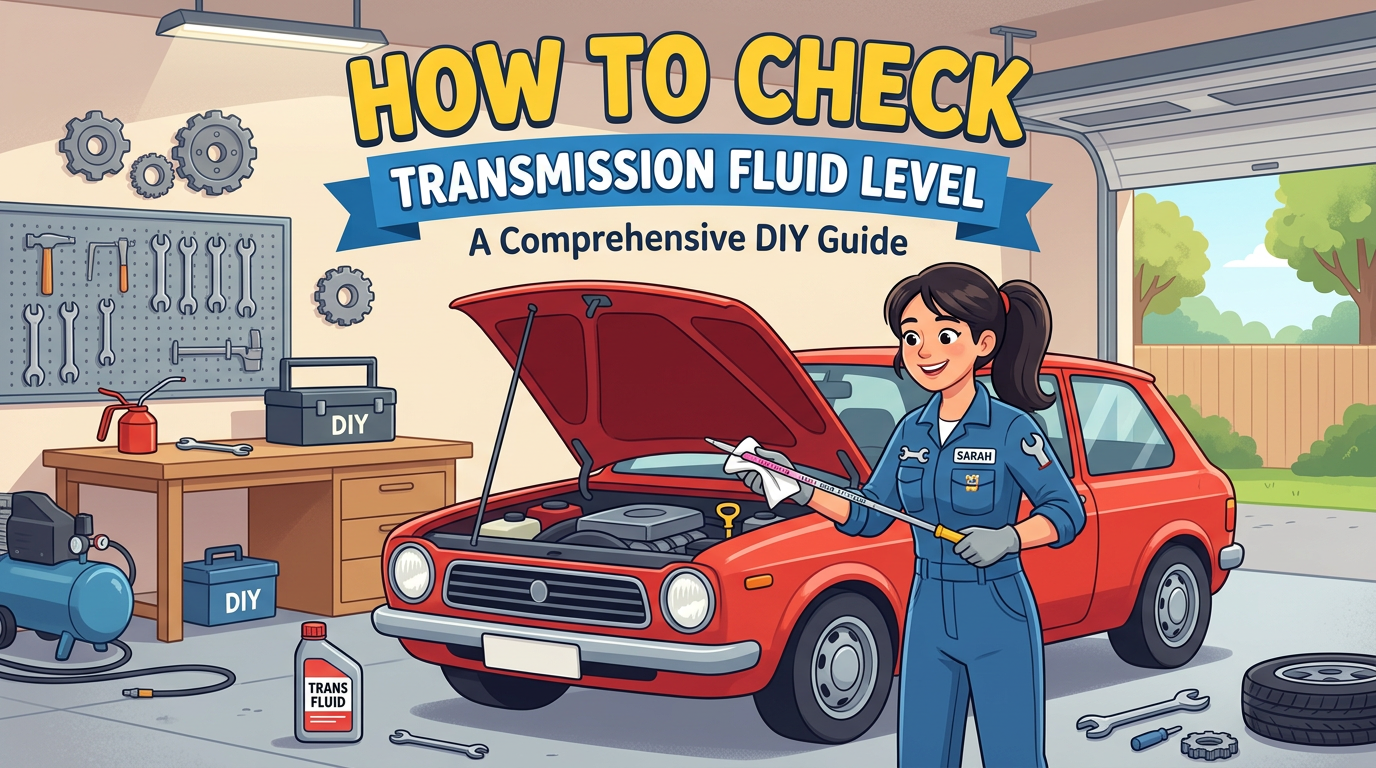
How to Check Transmission Fluid Level: A Comprehensive DIY Guide
Why Checking Transmission Fluid Level Matters
Transmission fluid acts as both a lubricant and a hydraulic medium that enables smooth gear shifting in your vehicle’s transmission system. By lubricating various components and transferring power, it plays an essential role in your car’s operation.
Signs that indicate potential transmission fluid problems include:
- Slipping or delayed gear shifts.
- Dark or burnt fluid color.
- Burnt smell from the fluid.
These signs could indicate that your transmission fluid is low or has deteriorated, which could risk severe transmission damage if not attended to promptly. Being proactive about checking transmission fluid levels can extend the life of your transmission, prevent significant repair costs, maintain optimal vehicle performance, and enhance your overall driving safety. Regularly checking your transmission fluid is a fundamental element of car maintenance DIY.
Tools and Materials Needed
Before checking your transmission fluid level, gather the following essential tools and materials:
- Clean, lint-free cloth: For wiping the dipstick and ensuring accurate readings.
- Flashlight: To help you see clearly under the hood, especially in dimly lit areas.
- Transmission dipstick: This manufacturer-provided tool is essential for measuring fluid levels.
- Vehicle owner’s manual: A crucial resource for finding the dipstick location and following model-specific instructions.
The transmission dipstick is vital for checking fluid levels. It provides a direct means of measurement and ensures you use the correct method for your vehicle type.
Step-by-Step Guide: How to Check Transmission Fluid Level
Preparation
- Park your car on a level surface to ensure accurate fluid readings.
- Start the engine and allow it to warm up completely. Most manufacturers recommend checking the fluid levels with warm fluid to get an accurate reading. Always consult your owner’s manual for specific guidance.
- Engage the parking brake for safety during the process.
Locating the Transmission Dipstick
The transmission dipstick is usually located near the rear of the engine bay, closer to the firewall. It is typically situated farther back than the oil dipstick, so you may need to look more closely. In some vehicles, especially newer models, there may be no dipstick, particularly in sealed automatic transmissions. In such cases, refer to your owner’s manual for directions on alternative methods of checking fluid levels. The handle on the dipstick is often brightly colored (red, yellow, or orange) and may have a label indicating its function.
Checking the Fluid Level
Follow these steps to check the fluid level:
- With the engine running and in “park” or “neutral,” refer to your manual for precise instructions, and gently pull out the transmission dipstick.
- Wipe the dipstick clean using your lint-free cloth.
- Reinsert the dipstick fully and pull it out again to read the fluid level.
When reading the dipstick, look for the marked zones, such as “Full” and “Add” or “Hot” and “Cold” ranges. Acceptable fluid levels should fall within these zones. If the fluid level is below the “Add” mark or outside the acceptable range, it indicates that action is needed—either adding fluid or further investigation into potential leaks.
Assessing Fluid Condition
In addition to checking the level, it’s important to evaluate the quality of the fluid:
- Healthy transmission fluid is typically bright red or pinkish and transparent.
- If the fluid appears dark brown, cloudy, or has a burnt smell, it suggests that it is degraded or overheated, possibly requiring replacement or professional diagnosis.
By knowing how to check transmission fluid level and its condition, you’re taking crucial steps toward effective car maintenance DIY.
Note: Also read our guide on How to Get Rid of Scratches on a Car for more practical repair tips.
Common Mistakes to Avoid When Checking Car Fluid
Awareness of common pitfalls can prevent inaccuracies and potential harm to your vehicle:
- Ignoring manufacturer’s guidelines: Always consult the owner’s manual, as different makes and models can have specific requirements.
- Checking fluid when the engine is cold: Unless specified, checking fluid at this temperature can lead to inaccurate readings, particularly for automatic transmissions.
- Using the wrong dipstick or tools: Using the oil dipstick instead of the transmission dipstick could lead to incorrect readings and may contaminate your fluid.
- Failing to handle the dipstick properly: Ensure no dirt or contaminants enter the fluid channels.
Avoiding these mistakes ensures that your checks are accurate and effective, contributing to your vehicle’s overall health.
Maintaining Proper Transmission Fluid Levels
If, upon checking, you find that transmission fluid levels are low, here’s how to add more:
- Use a funnel to pour transmission fluid and avoid spills.
- Add fluid gradually in small amounts, frequently checking the level to ensure it falls within the appropriate range.
- Always use transmission fluid types specifically recommended by your vehicle’s manufacturer. Check your owner’s manual for details on the fluid specifications.
Beware of overfilling, as this can cause serious damage to your system. If you discover that the fluid is consistently low or appears significantly degraded, it may indicate a leak or other transmission issues. In such cases, seeking professional assistance is recommended to address potential mechanical faults.
Note: If you’re dealing with corrosion, it’s worth learning How to Remove Rust from Cast Iron to restore surfaces properly.
Additional DIY Car Maintenance Tips
It’s essential not only to know how to check transmission fluid level but also to keep an eye on other crucial fluids. Here are some key fluids every car owner should regularly check:
- Engine Oil: Fundamental for engine lubrication and functionality.
- Coolant: Keeps the engine from overheating; regular checks can prevent severe damage.
- Brake Fluid: Critical for safe braking performance.
- Power Steering Fluid: Ensures smooth operation of the steering system.
Incorporating checks on all essential fluids fosters overall vehicle health and safety. These routine checks complement your transmission fluid maintenance for the well-being of your vehicle.
Conclusion
In conclusion, understanding how to check transmission fluid level is a valuable skill for any car owner. Regular fluid checks not only help you avoid costly repairs but also ensure that your vehicle runs smoothly and safely. Routine car maintenance DIY enhances your confidence as a car owner while keeping your vehicle in peak condition. By proactively checking fluid levels, you can maintain the longevity and reliability of your vehicle for years to come.
Key Takeaways
- Be aware of signs indicating potential transmission problems.
- Knowing how to check your transmission fluid can prevent costly repairs.
- Regular checks enhance the performance and longevity of your vehicle.