Top Healthy Diet Trends for 2025: What to Know and How to Adapt
Top Healthy Diet Trends for 2025 are reshaping the way we eat, focusing on balance, sustainability, and smarter nutrition. From plant-based innovations to personalized meal plans, these trends help you stay healthy while adapting to modern lifestyles. In this guide, we’ll explore what’s new, what works, and how you can easily adapt these healthy diet trend
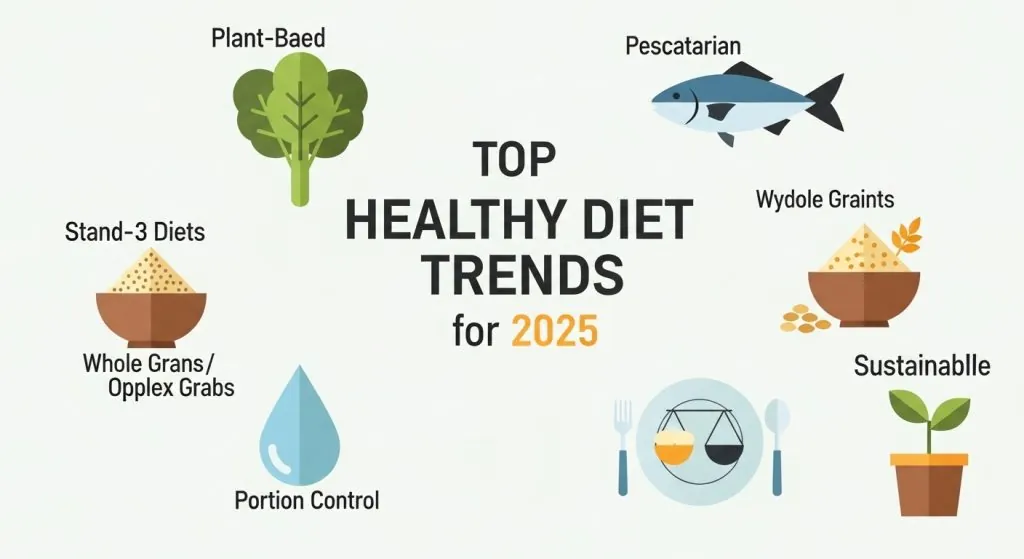
1. Overview of Current Healthy Diet Trends
Healthy diet trends are popular dietary patterns or food habits backed by scientific research, environmental concerns, or cultural changes. They often emerge in response to public health challenges and the desire for healthier living. Adapting to these trends can lead to significant long-term health benefits by aligning dietary practices with proven nutritional knowledge.
For instance, recent national statistics show a growing interest in healthier eating patterns, suggesting a shift towards diets that emphasize whole foods and nutrition-dense options. Adapting these dietary habits can support both individual health needs and broader public health initiatives.
- Evidence-based: Choosing popular diets that have supporting scientific research ensures individuals gain well-rounded health benefits.
- Personalized nutrition: With a focus on individual dietary needs, adapting to new trends can lead to tailored dietary solutions that enhance overall health outcomes.
2. Healthy Diet Trends to Watch in 2025
Personalized Nutrition
Personalized nutrition is becoming increasingly popular, utilizing data from genetics, wearable devices, and artificial intelligence tools. By customizing diets to individual needs, this approach offers several benefits:
- Targeted immune support: Enhancing the body’s defenses through specific nutrient intake.
- Energy optimization: Tailoring food choices for better physical and mental performance.
- Precise weight management: Adjusting caloric and nutritional intake based on personal goals.
Challenges: While personalized nutrition is promising, there are considerations to keep in mind:
- Cost implications: High-tech analyses can be financially demanding.
- Complexity: Using advanced tech and data might overwhelm some individuals.
Plant-Based & Alternative Proteins
The increasing use of plant-based proteins, mycoproteins, and lab-grown meat alternatives is shaping how we find protein sources. This trend emphasizes:
- Sustainability: Reducing the carbon footprint by shifting away from animal proteins is crucial in a world dealing with climate change.
- Gut health: Plant-based diets are linked to improved digestion and a healthier gut microbiome.
- Environmental impact: Sustainable protein sources help mitigate harmful effects on the planet.
However, it’s important to consider:
- Nutrient variety: Ensuring that diets remain balanced and nutrient-dense is essential when embracing plant-based options.
Mental Health & Mood-Boosting Foods
In 2025, incorporating foods that enhance mental well-being is gaining traction. Emerging dietary components include:
- Adaptogens: Natural substances like ashwagandha help improve the body’s stress response.
- Fermented foods: Items such as yogurt or kimchi provide probiotics that enhance gut health and mood.
- Medicinal mushrooms: Varieties like lion’s mane may support cognitive function and mental clarity.
These foods support emotional health and cognitive function, making them beneficial for anyone looking to enhance their mental well-being.
Sustainable Eating & Clean Labels
The focus on nutrient-dense, minimally processed foods with transparent labeling is another significant trend. Sustainable eating strategies aim to:
- Reduce ultra-processed food intake: Striving for cleaner ingredients can lead to better overall health for individuals and the planet.
- Improving health outcomes: Choosing whole foods helps decrease chronic health issues linked to poor dietary habits.
Benefits of these trends include improved digestion, personalized health outcomes, mood support, and sustainability. However, challenges such as affordability and the risk of information overload exist.
3. Fitness Trends 2025
As the landscape of healthy living evolves, fitness trends 2025 are emerging as significant partners to healthy dietary shifts. Here are the key upcoming trends in fitness:
Virtual Fitness Classes
Virtual fitness classes are gaining popularity due to their accessibility and flexibility. These online sessions allow individuals to work out from the comfort of their homes, contributing to improved fitness habits.
Wearable Technology
Smartwatches and fitness trackers are invaluable tools that provide real-time data on health metrics. This technology enables:
- Personalized exercise: Users can track physical activity seamlessly.
- Nutritional integration: Many apps link fitness records with dietary habits, providing a comprehensive overview of health.
High-Intensity Interval Training (HIIT)
HIIT workouts are being adopted by busy individuals seeking maximum benefits in minimal time. These intense sessions facilitate:
- Efficient calorie burning: Participants can achieve effective weight loss and cardiovascular improvements in less time.
- Increased motivation: Shorter, high-impact workouts can lead to greater participant adherence.
These fitness trends complement healthy diet trends by allowing individuals to integrate their dietary and exercise approaches. Together, they create a holistic strategy for optimal wellness.
4. Yoga Health Benefits
Incorporating yoga into your daily routine comes with numerous yoga health benefits that extend beyond mere physical aspects.
Physical Benefits
Regular yoga practice can significantly improve:
- Flexibility: Increasing the range of motion in joints.
- Strength: Building muscle tone through body-weight movements.
- Core stabilization: Enhancing stability and posture, preventing injuries.
Mental Benefits
Yoga is also proven to benefit mental health:
- Stress Reduction: Mindful breathing and poses help lower anxiety.
- Mood Enhancement: Engaging in yoga practices releases endorphins, boosting overall happiness.
- Focus Improvement: Meditation aspects cultivate improved concentration and clarity.
Yoga not only promotes physical health but also synergizes beautifully with healthy diet trends and personalized nutrition by fostering mindfulness—a crucial element in making better dietary choices.
5. Mental Health Tips for a Balanced Lifestyle
Prioritizing mental health is vital for achieving overall wellness. Here are some practical mental health tips to help maintain a balanced lifestyle:
- Incorporate mood-enhancing foods: Seek out adaptogens like ashwagandha and fermented foods to support emotional well-being.
- Practice mindfulness: Engage in yoga and meditation techniques regularly to cultivate a positive mindset.
- Maintain a consistent exercise routine: Align physical activity with fitness trends 2025 to stay motivated and engaged.
- Utilize digital platforms: Join online communities for motivation, support, and the sharing of mental wellness tips.
Understanding the interplay between mental health, diet, and fitness is crucial for maximizing your well-being. For more practical insights into mental health.
6. Workplace Wellness News
Recent workplace wellness news highlights the importance of promoting health within professional environments. Employers are increasingly recognizing their role in supporting employee well-being through various initiatives:
- Healthy cafeteria options: Providing nutritious meals can positively impact employee health and productivity.
- Fitness challenges: Organizing group activities encourages employee participation in physical exercises.
- Mindfulness programs: Access to yoga or meditation classes can enhance mental well-being.
- Mental health app subscriptions: Offering tools to employees promotes mental health awareness and support.
Individuals can advocate for improved workplace wellness programs by discussing their needs with management and utilizing available resources to maintain a healthy lifestyle. For further exploration of workplace wellness trends.
7. Integrating Trends for Optimal Health
To achieve optimal health, it is essential to integrate healthy diet trends, fitness trends 2025, yoga health benefits, and mental health tips into a cohesive wellness strategy:
- Customized wellness plans: Leveraging data from wearable devices and AI nutrition tools can help create personalized fitness and meal plans tailored to individual needs.
- Mindfulness in daily routines: Incorporating mental health practices can enhance dietary habits and exercise effectiveness.
- Set SMART goals: (Specific, Measurable, Achievable, Relevant, Time-bound) that consider all aspects of health.
Note: As new diet trends shape how we eat in 2025, it’s also worth staying informed about broader food and nutrition updates, such as this guide on will food stamps increase
Conclusion
In conclusion, the top healthy diet trends for 2025, along with fitness trends 2025, mental health practices, and yoga health benefits, present an integrated approach to achieving better health and well-being. By embracing these trends, individuals can cultivate a holistic lifestyle that contributes to their physical, mental, and emotional wellness.
Actively adapting these trends into your daily routine will guide you toward improved health and sustainability.
Call-to-Action: Subscribe to our updates on health and wellness to stay informed about the latest trends and tips for a healthier lifestyle.
Key Takeaways
- Stay updated with healthy diet trends to enhance wellness.
- Leverage personalized nutrition for tailored dietary solutions.
- Embrace sustainability and plant-based options for environmental benefits.
- Understand the interplay between diet, fitness, and mental health for holistic wellness.