How to Unclog a Drain Without Chemicals: A Comprehensive Guide
Dealing with a clogged drain is an inevitable part of homeownership or renting. Whether it’s a slow-draining bathroom sink, a backup in the kitchen, or water pooling around your ankles in the shower, the immediate instinct is often to reach for harsh, store-bought chemical cleaners. However, these solutions can be toxic, harmful to your pipes, and terrible for the environment. Fortunately, learning how to unclog a drain without chemicals is easier than you might think, using everyday household items you likely already have in your pantry.
In my years of tackling DIY home maintenance projects, I’ve found that natural methods are not only safer but often just as effective as their chemical counterparts. This guide will walk you through the most reliable DIY drain unclogging techniques, explain why natural solutions are superior, and provide actionable tips to keep your plumbing flowing smoothly.
Why Choose Natural Drain Cleaners Over Chemicals?
It’s tempting to grab a jug of heavy-duty liquid drain cleaner when faced with a stubborn blockage, but taking a moment to use a natural alternative can save you significant trouble in the long run. Here are the main reasons why you should unclog a sink naturally:
- Protecting Your Plumbing: Chemical cleaners generate intense heat through chemical reactions to dissolve clogs. Over time, this heat can soften PVC pipes, corrode older metal pipes, and weaken pipe joints, leading to costly leaks.
- Health and Safety Concerns: The fumes from commercial drain cleaners can irritate your eyes, nose, and lungs. Accidental splashes can cause severe skin burns. Natural options eliminate these risks entirely.
- Environmental Impact: When you wash harsh chemicals down the drain, they eventually make their way into the water system. Natural ingredients like baking soda and vinegar are eco-friendly and won’t harm local waterways.
- Cost-Effectiveness: A box of baking soda and a bottle of white vinegar cost pennies compared to expensive commercial cleaners. Plus, mastering these DIY techniques, much like learning how to remove rust from cast iron or safely figuring out how to get super glue off your fingers, adds valuable, money-saving skills to your household maintenance toolkit.
Top DIY Drain Unclogging Methods
If you’re dealing with a mild to moderate clog, try these proven, experience-based methods. Always start with the gentlest approach and move to more aggressive physical tools if necessary.
Method 1: The Boiling Water Flush
This is the simplest use-case scenario and is highly effective for clogs caused by soap scum or hardened grease. Note: Only use this method on metal pipes. Boiling water can warp or melt PVC pipes.
- Bring half a gallon of water to a rolling boil.
- Carefully and slowly pour the boiling water directly down the drain. Do this in two or three stages, allowing the hot water to work for a few seconds between each pour.
- Turn on the hot water tap to flush the pipes and see if the drain runs clear.
Method 2: Baking Soda and White Vinegar
This classic combination creates a fizzy, natural drain cleaner that helps break down organic matter, grease, and hair. It’s the go-to method for most homeowners.
- If there’s standing water in the sink or tub, scoop out as much as possible using a cup or bowl.
- Pour one cup of baking soda directly down the drain. You may need to use a spoon to push it down the opening.
- Pour one cup of white vinegar down the drain immediately after. You’ll instantly hear a fizzing reaction.
- Cover the drain opening with a plug or a wet rag to force the fizzing action downward toward the clog. Let it sit for 15 to 30 minutes.
- Remove the plug and flush the drain thoroughly with hot water (or boiling water if you have metal pipes).
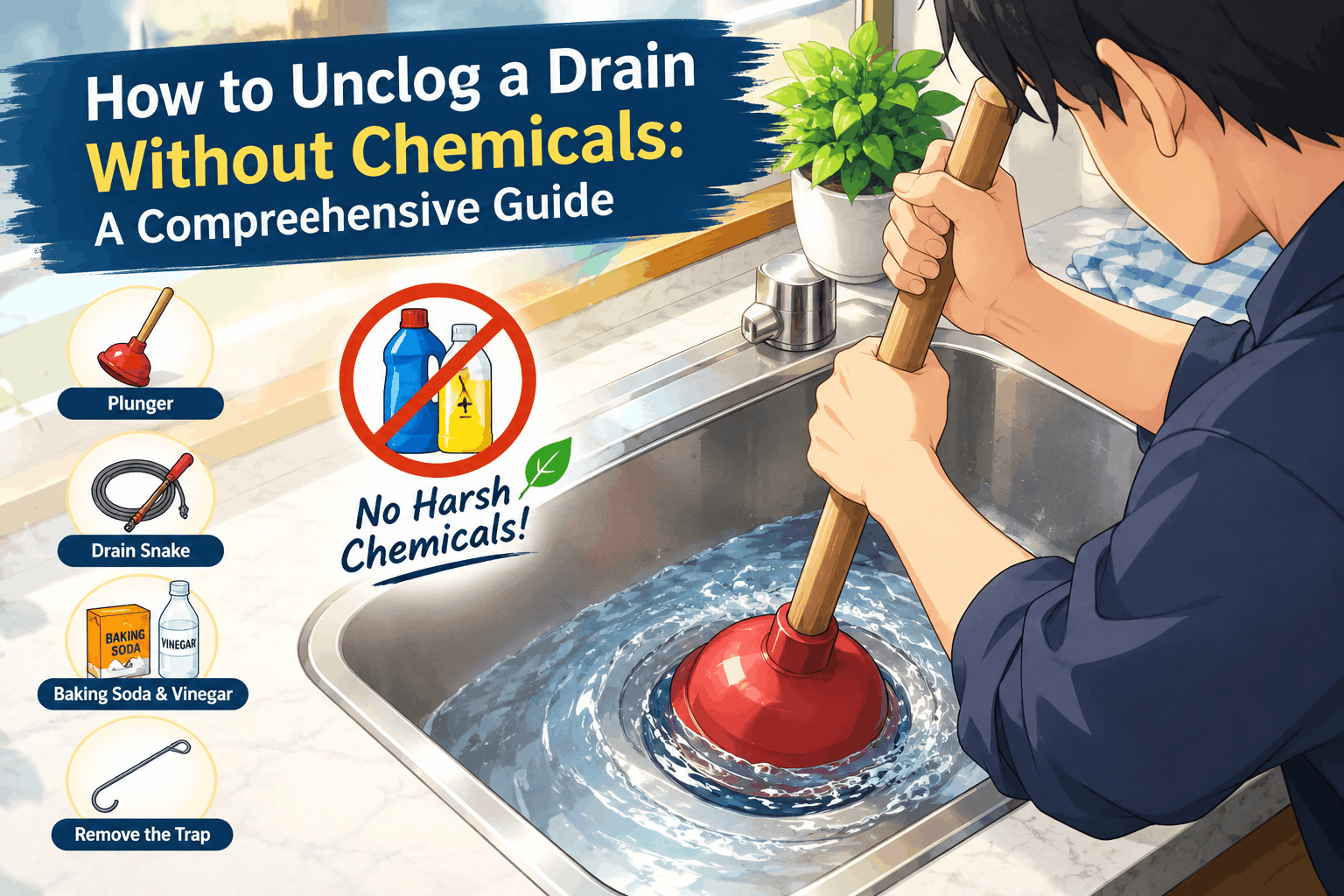
Method 3: The Trusty Plunger
When chemical reactions aren’t enough, you need physical force. A plunger creates suction that can dislodge stubborn debris.
- Ensure there is enough water in the sink or tub to cover the rubber bell of the plunger. This creates the necessary seal.
- If you’re unclogging a sink with an overflow hole (usually near the top rim), block it off with a wet rag so you don’t lose suction.
- Place the plunger firmly over the drain opening and pump vigorously up and down several times, maintaining the seal.
- Pull the plunger off abruptly to see if the water drains. Repeat if necessary.
Method 4: Using a Drain Snake or Wire Hanger
For clogs that are physically lodged in the pipe—often hair and soap in bathroom sinks and showers—you might need to manually extract the blockage.
- If you don’t have a plastic zip-it tool or a plumber’s snake, take a wire coat hanger and straighten it out, leaving a small, tight hook at one end.
- Carefully feed the hooked end down the drain. Twist and push gently.
- When you feel resistance, try to hook the mass and slowly pull it up. Be prepared—it won’t look or smell pleasant!
- Dispose of the debris in the trash (never wash it back down), and flush the pipe with hot water.
Preventative Measures: Keeping Your Drains Clear Naturally
The best way to unclog a drain is to prevent it from clogging in the first place. Incorporate these real-world habits into your routine:
- Use Drain Strainers: Place inexpensive mesh strainers over all sink and shower drains to catch hair, food particles, and debris.
- Never Pour Grease Down the Drain: Cooking fats and oils harden when they cool, creating massive blockages. Always wipe pans with a paper towel or drain fat into an old jar to throw away.
- Regular Maintenance Flushes: Once a month, treat your drains to a preventative baking soda and vinegar flush, followed by hot water.
Frequently Asked Questions (FAQs)
What is the best natural drain cleaner?
The best and most reliable natural drain cleaner is a combination of baking soda (sodium bicarbonate) and simple white vinegar. The chemical reaction helps agitate and break down organic material, while hot water flushes it away.
Can salt unclog a drain?
Yes, salt can assist in unclogging a drain. Mixing half a cup of table salt with half a cup of baking soda, pouring it down the drain, and letting it sit for an hour before flushing with hot water works well for mild grease and soap clogs. The salt acts as an abrasive.
When should I stop trying DIY methods and call a plumber?
You should call a professional plumber if natural methods and plunging fail after several attempts, if water is backing up into other fixtures (which indicates a main line clog), or if you suspect tree roots have infiltrated your pipes. Persistent blockages require professional tools like motorized augers or hydro-jetting.
Is it safe to pour boiling water down a PVC pipe?
No, you should never pour boiling water down PVC piping. Boiling water exceeds the temperature tolerance of standard PVC and can soften or melt the plastic, leading to weakened pipe joints and potential leaks. Always use hot tap water instead of boiling water for PVC pipes.
How often should I naturally clean my drains?
It’s beneficial to perform a preventative cleaning using baking soda and vinegar once a month. This routine maintenance helps dissolve small accumulations of grease, soap, and grime before they can build up into a full stubbornly clogged drain.